If you are asking how many days in London you need, the most useful answer is a range: three to five full sightseeing days for a first visit. Three days can cover the main central landmarks at a brisk pace; four full days is a more balanced default; five days gives you room for a museum, neighbourhoods, slower evenings or one day trip.
The right number depends on what you want to do, not on a universal London checklist. This guide helps you choose a trip length before you book hotels, reserve attractions or build a day-by-day itinerary.
That range is also consistent with the current first-time guidance from Visit London, which describes three to five days as enough time to explore famous landmarks and experience more of the city’s culture.
Quick answer: how many days do you need in London?
| Full sightseeing days | Best fit | What you can realistically expect |
|---|---|---|
| 1–2 | Stopover or short city break | A concentrated central route with major compromises |
| 3 | First-time highlights | Westminster, the Tower area, the river, one museum or cultural block |
| 4 | Balanced first visit | Core sights plus more interior visits, a neighbourhood and a less rushed evening |
| 5 | Comfortable city visit | More flexibility for museums, markets, shopping or one nearby excursion |
| 7+ | Slow or interest-led trip | Neighbourhoods, repeat visits, family pacing, deeper museums and day trips |
The table counts usable sightseeing days, not simply the number of nights on a booking.
Count full sightseeing days, not hotel nights
When deciding how many days in London to book, count full sightseeing days rather than assuming every calendar day has the same capacity. An arrival afternoon and a departure morning rarely give you the same time as a full day in the city: airport transfers, hotel check-in, luggage, jet lag and an early train or flight can remove several useful hours before you reach your first attraction.
For planning purposes, count a day as “full” when you have slept in London and do not need to change hotels, cross the country or return to an airport. A four-night stay may therefore give you three strong sightseeing days, especially if the arrival and departure times are inconvenient.
This distinction also prevents a common mistake: choosing a day trip because the calendar appears to have space, then discovering that the excursion has replaced one of the few days available for London itself.
It is also a useful starting point for practical preparation. If you plan to use mobile data for maps, transport updates, translation or ticketing, estimate your allowance from the number of usable days rather than the number of nights. The UK trip data guide can help you make that estimate.
What fits into 1–2 days in London?
One day is best treated as a taste of central London, not a complete visit. You can walk through a compact route around Westminster, the Thames or the Tower area, but going inside several major attractions will quickly make the schedule unrealistic.
Two days can work for a short break if you choose one or two connected areas each day. A practical split might combine Westminster and the West End on one day, then the Tower, Tower Bridge and the South Bank on the next. You will still need to choose between museums, interiors, markets and longer neighbourhood visits.
If you only have two days, decide what you are willing to skip before booking timed entry. Do not try to fit every famous landmark into the same afternoon simply because the locations look close on a map.
Is 3 days enough for London?
Yes, three full days can be enough for a classic first visit, but it is a highlights trip rather than a complete exploration of the city. You can cover the major central areas, enter one or two substantial attractions and leave room for an evening show, market or neighbourhood walk if you plan by area.
The main trade-off is flexibility. A delayed start, a long queue or a museum that takes longer than expected can force a choice between two planned stops. Three days is a good fit when your priority is seeing the headline sights and you are comfortable making firm choices.
Use the three-day option when:
- London is one stop in a wider UK or Europe trip;
- you prefer landmarks and a compact route over slow neighbourhood exploration;
- you are happy to reserve the attractions that matter most;
- you are not trying to include a full day trip outside London.
Why 4 days is the balanced default
Four full days gives a first-time visitor more room to absorb London rather than only move between famous names. It can accommodate the central landmarks, one or two interiors, a museum or cultural block, one neighbourhood and an evening that is not planned minute by minute.
The extra day is valuable because London’s attractions do not all take the same amount of time. A major historic site, a large museum or a theatre booking can each shape most of a day. Four days lets you separate those commitments instead of stacking them into one crowded route.
Four days is usually the strongest default when:
- this is your first visit;
- you want both landmarks and some indoor attractions;
- you want a buffer for weather, queues or a slower morning;
- you would rather explore two or three connected areas than rush across the city.
Four days does not mean you will “finish” London. It means the trip can have a clearer rhythm: one substantial focus, one nearby group of places and enough time to adjust when the city takes longer than expected.
When should you choose 5 days or more?
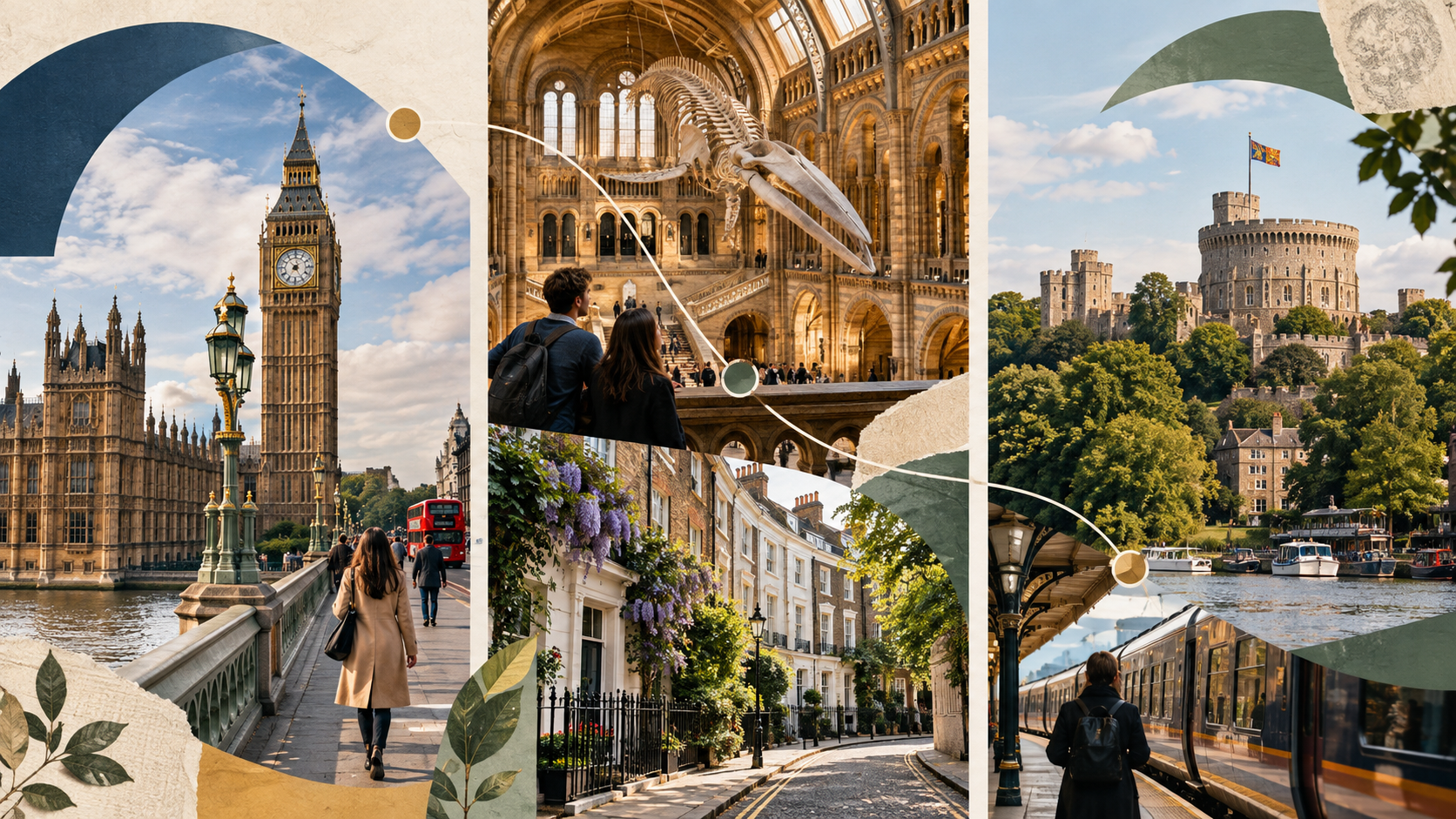
Five full days works well when you want a comfortable first visit or when one extra interest needs protected time. That interest could be museums, food, shopping, theatre, football, royal history or a neighbourhood outside the most concentrated visitor route.
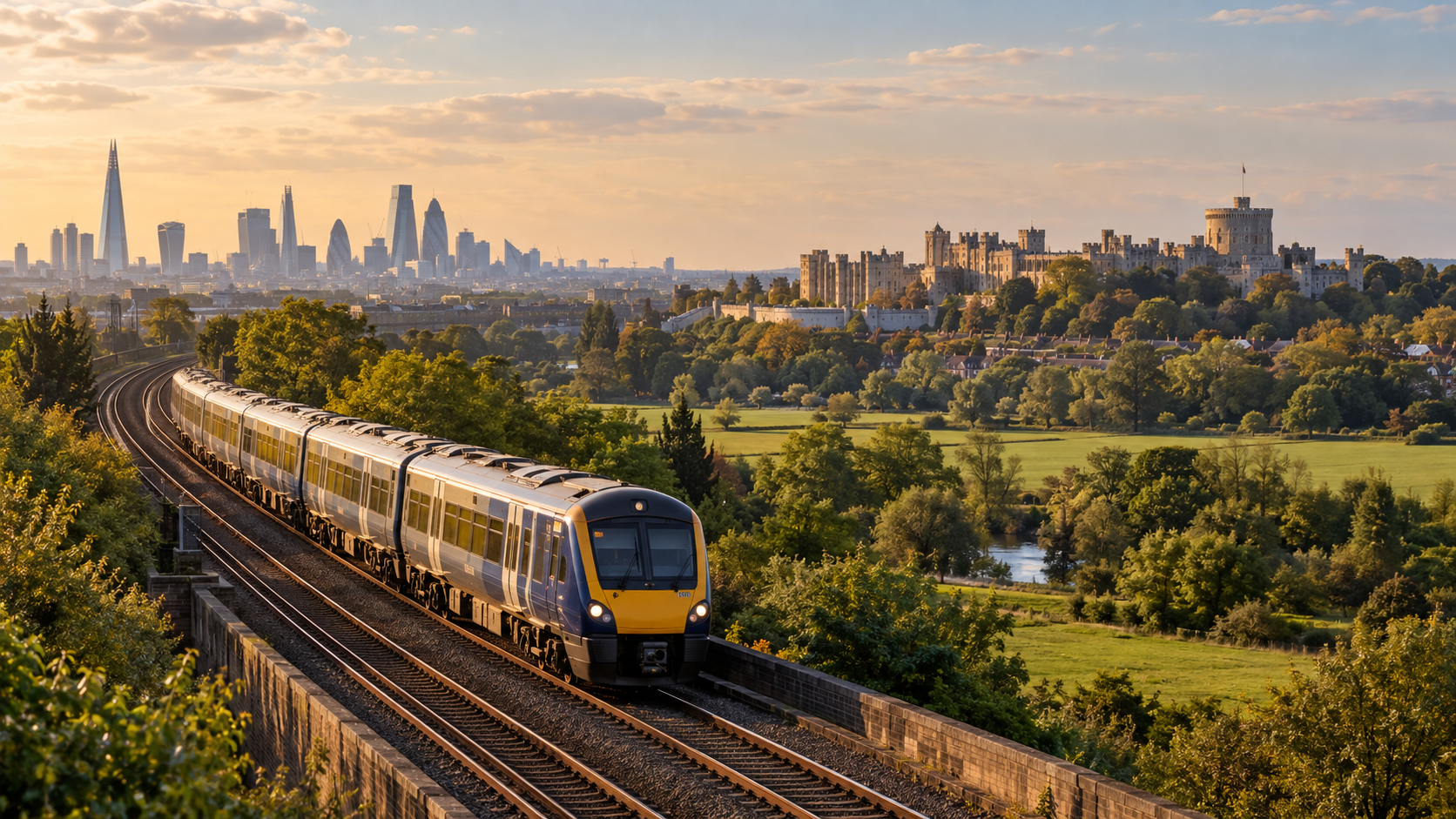
Five days is also the point at which a day trip becomes easier to justify. A trip to Windsor, Oxford or Bath uses a full day once you include the outward journey, the return journey and the time needed to explore. Treat it as an additional day rather than something that appears for free inside a short London break.
If the day trip is the main reason for visiting, five days can mean four London days plus one excursion. If London itself is the priority, keep all five days in the city and use the extra time for museums, markets, parks or slower neighbourhood routes.
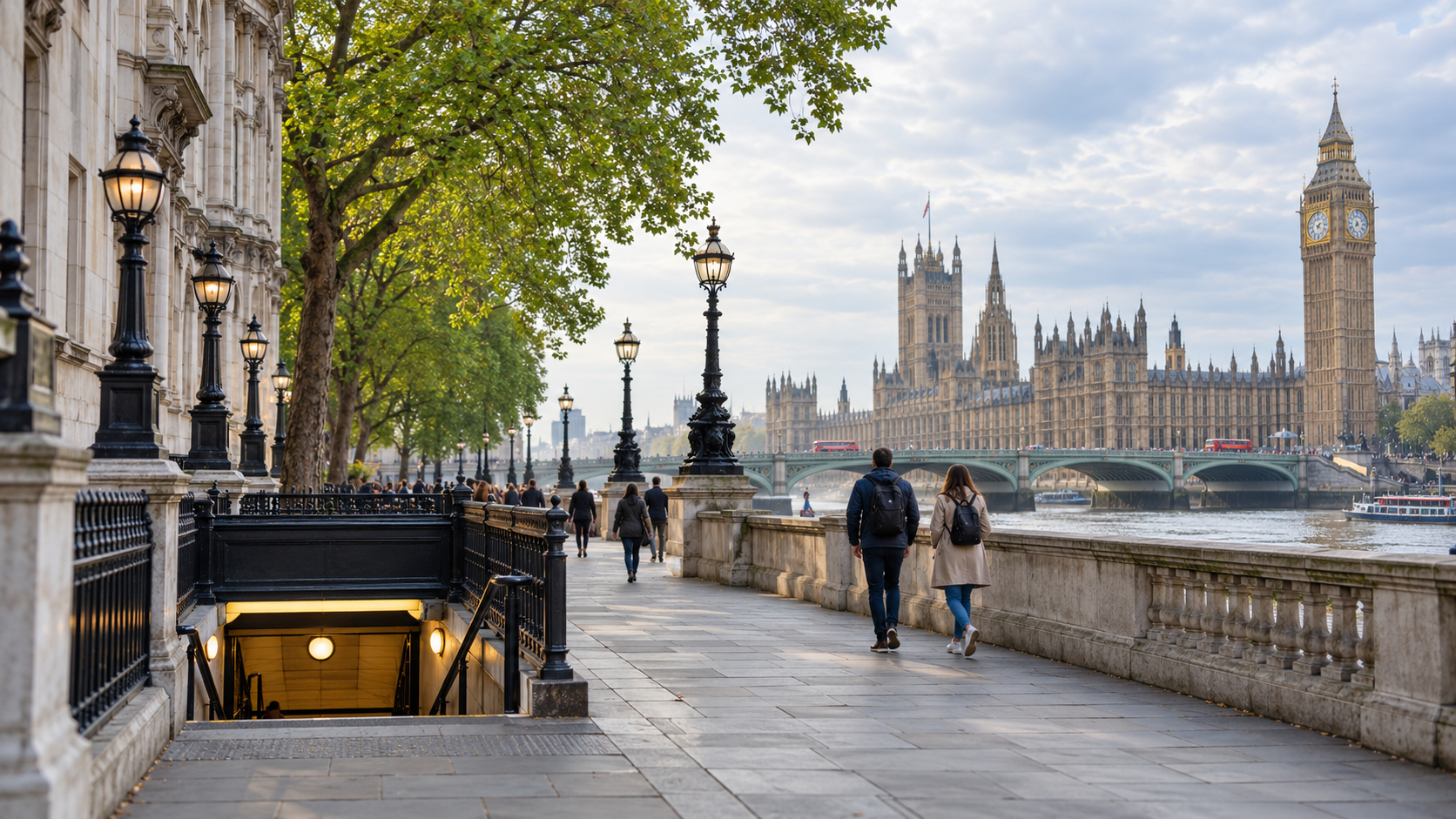
Seven days or more suits travellers who want to slow down, revisit favourite areas, travel with children or mobility constraints, spend substantial time in museums, or add more than one excursion. It is not excessive for an interest-led trip; it is simply unnecessary for someone who only wants the main central landmarks.
Choose your number by travel style
The same number of days can feel generous to one traveller and restrictive to another. Use these questions before deciding:
Do you want landmarks or depth?
If your priority is Big Ben, Buckingham Palace, the Tower area, the river and a few central streets, three days may work. Add a day for museums, interiors, theatre, markets or less central neighbourhoods.
Are you travelling with children or at a slower pace?
Families and travellers who prefer breaks should not plan every hour. A shorter list with time for food, rest and flexible transport usually produces a better trip than a longer list that assumes everyone can move at adult sightseeing speed.
Is a day trip essential?
Make the excursion an explicit part of the calculation. Start with the number of full days you want in London, then add the day trip. Do not subtract the excursion from an already short first visit unless the destination outside London is the main purpose of the trip.
Are your arrival and departure times useful?
A late arrival, early departure, long-distance train or hotel change should be treated as a partial day. If the calendar says four days but only three are fully usable, plan as a three-day visit.
Turn the decision into a practical London plan
Once you choose the number of days, group places by area before assigning them to dates. This keeps the plan flexible while reducing unnecessary cross-city travel.
- Westminster and royal London: major political, royal and riverside landmarks.
- The City and the Tower area: historic sites, Tower Bridge and riverside walks.
- Museum areas: Bloomsbury and South Kensington can each absorb more time than a quick map check suggests.
- Markets and neighbourhoods: use these as a flexible half-day or evening rather than forcing them between two timed attractions.
Book the attractions that genuinely require a time slot first. Then leave space around them for walking, food, queues, weather and the places you notice along the way. A good London plan is not the one with the most pins; it is the one that still works when one part of the day takes longer than expected.
If you are comparing connection methods before departure, the guide to internet in the UK for tourists explains how travel eSIMs, local SIMs, roaming, Pocket Wi-Fi and public Wi-Fi differ. The right choice depends on your phone, route and need for continuous access, not on the number of London attractions you put on the itinerary.
If you only need mobile data, you can compare UK eSIM plans after deciding how many full days you will actually use the connection. Check compatibility, validity and the allowance before you choose.
London trip-length FAQs
Is 3 days enough in London?
Three full days is enough for the main first-time highlights if you plan by area and accept that you cannot see everything. It is less suitable if you want several museums, a relaxed pace and a day trip.
Is 4 days enough for a first visit to London?
Four full days is a balanced choice for many first-time visitors. It gives you room for major landmarks, indoor attractions, one neighbourhood and some flexibility without requiring a full week.
How many days do you need in London with a day trip?
Plan the London days first, then add the excursion. Five full days can work as four London days plus one nearby day trip; seven days gives more room for both the city and an excursion.
Does the arrival day count as a sightseeing day?
Only count it as a full day if your arrival time, transfer and check-in still leave enough time for the activities you want to do. Otherwise treat it as a partial day.
Is one week in London too long?
Not if you want museums, neighbourhoods, shopping, family-friendly pacing or day trips. It is more time than necessary for only the central highlights, but useful when you prefer a slower schedule.
How many days should families spend in London?
Families should usually allow more flexibility than a fast-paced highlights itinerary. Four to seven full days may be appropriate depending on ages, mobility, breaks, attraction priorities and whether a day trip is included.
How many days in London should you book?
For most first-time visitors, three to five full sightseeing days is the useful range. Choose three for a focused highlights trip, four for the most balanced first visit, and five or more for museums, neighbourhoods, a slower pace or a day trip. Count usable sightseeing days rather than hotel nights, then build the plan around the experiences you are least willing to skip.

High-speed data, wherever your journey leads
Enjoy instant, secure mobile data with Ezigo eSIM in 200+ destinations. No physical SIM needed.